Saturday, June 30, 2007

ending the night with some science


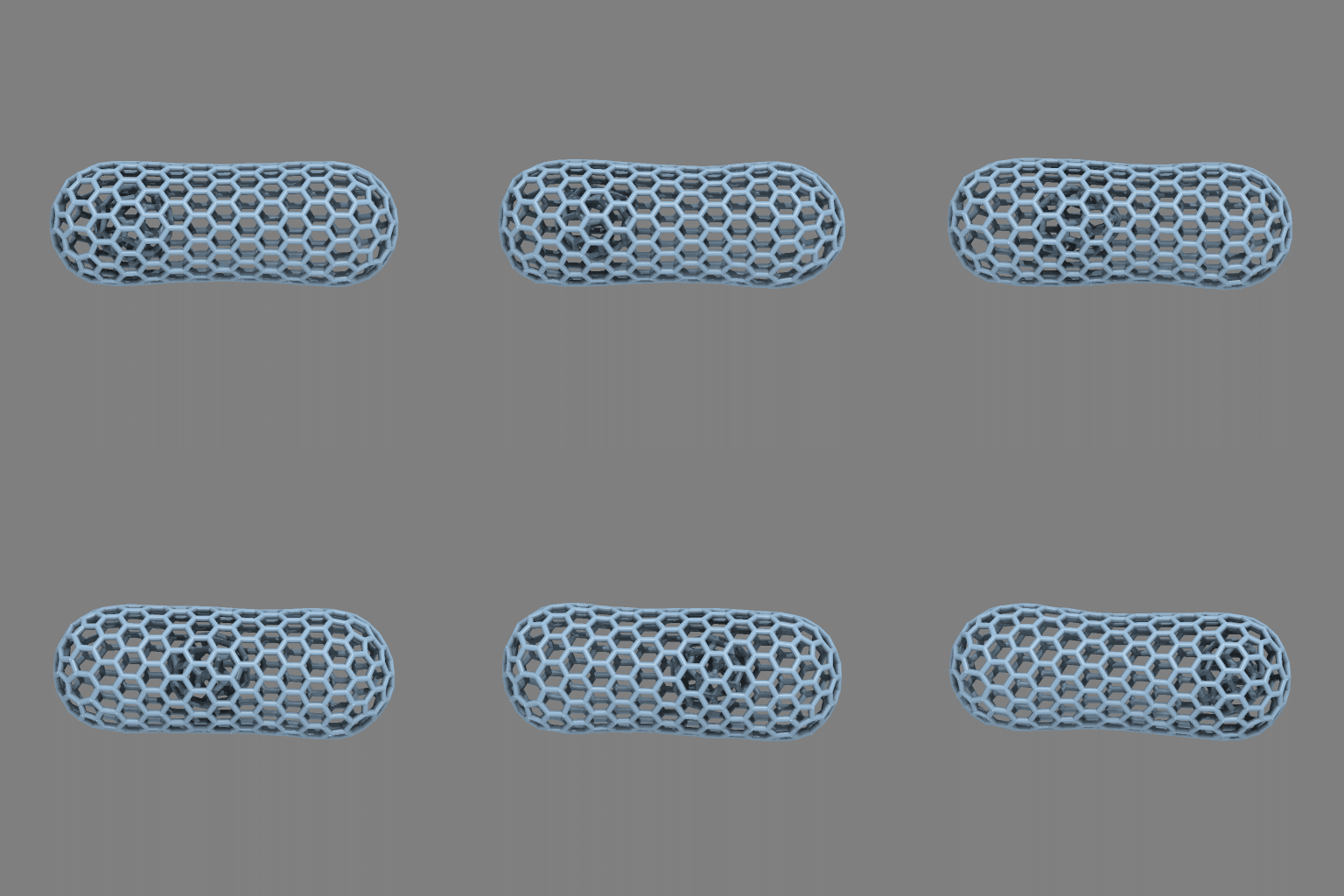
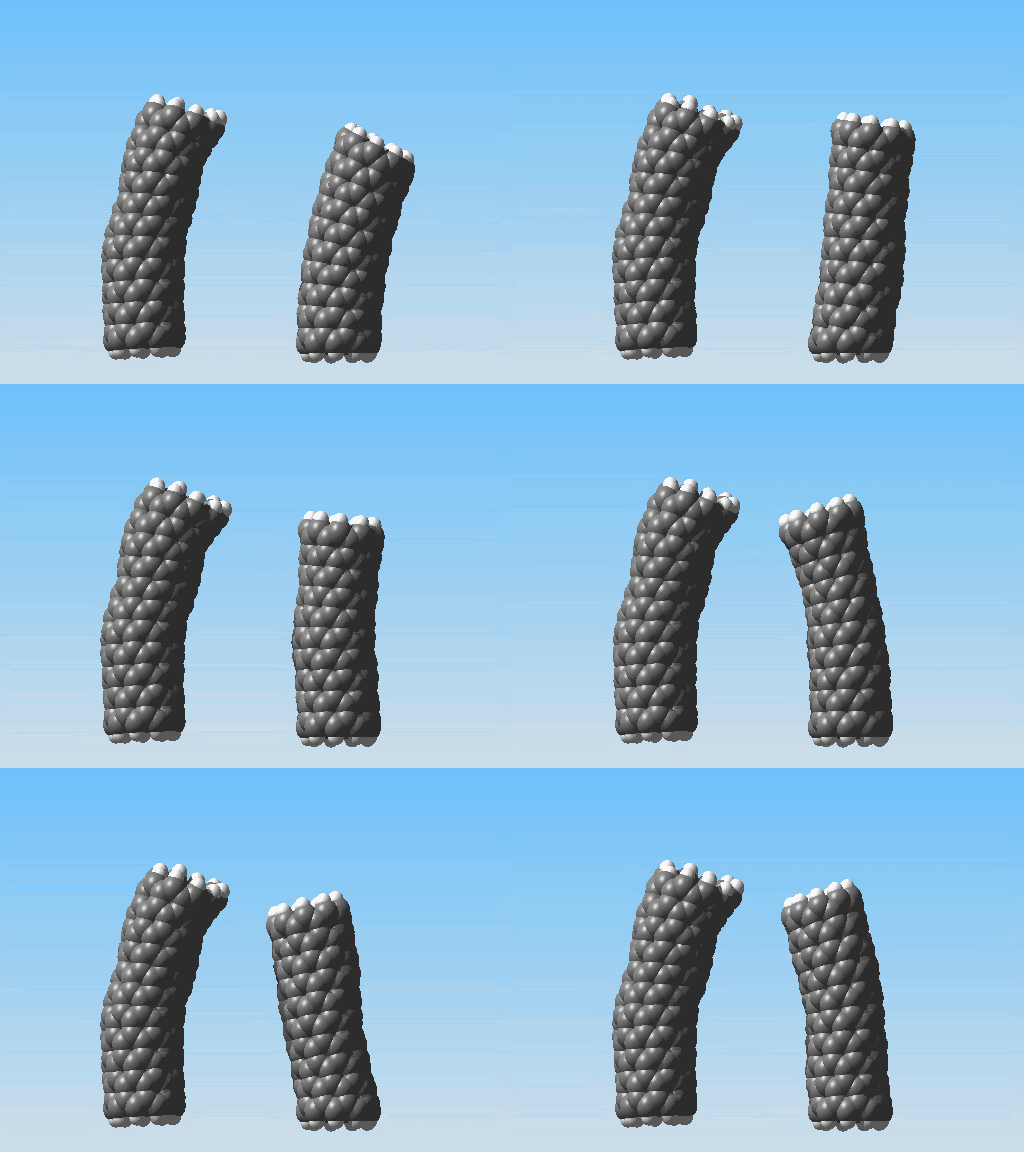
On the right is a carbon nanotube composed entirely of hexagons and was inserted pre-bent at 25 degrees. On the left is a carbon nanotube comprised of pentagon and heptagon defects in the lattice to create a similar bend. Simulating both tubes shows that the tube containing the lattice defects remains rigid while the other tube oscillates.


Studying the effects of lattice defects is an important part of nanotube science. I have also been experimenting with using them to create a heterojunction.
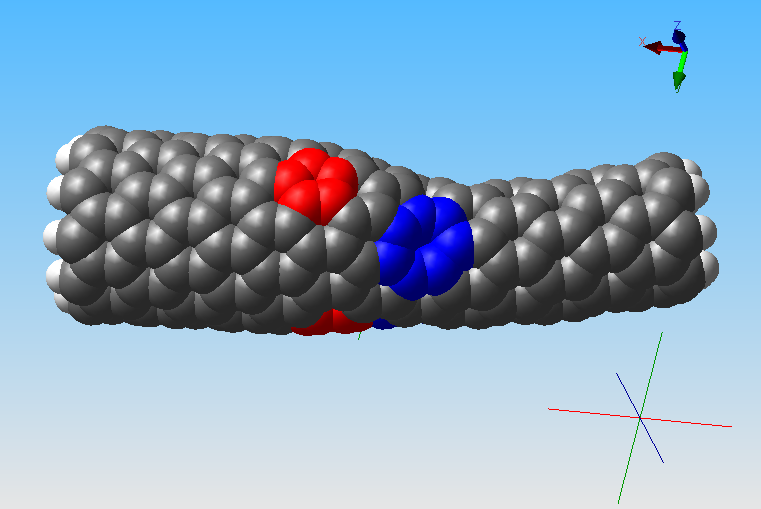


Here I have highlighted the lattice defects. The inspiration for this has come from here and David Tomanek's Nano-Velcro.

I'm serious when I say I think this is a real improvement


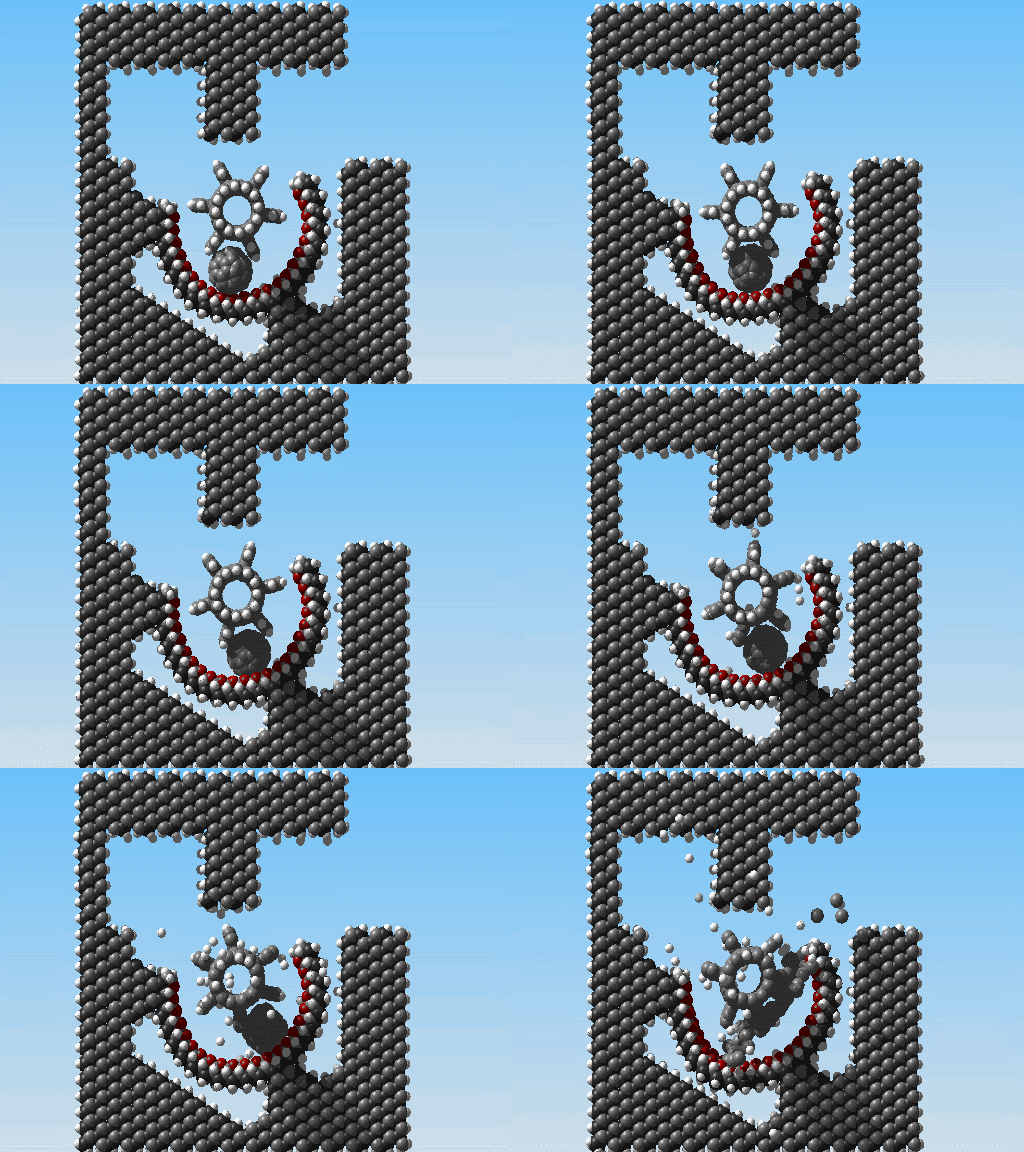
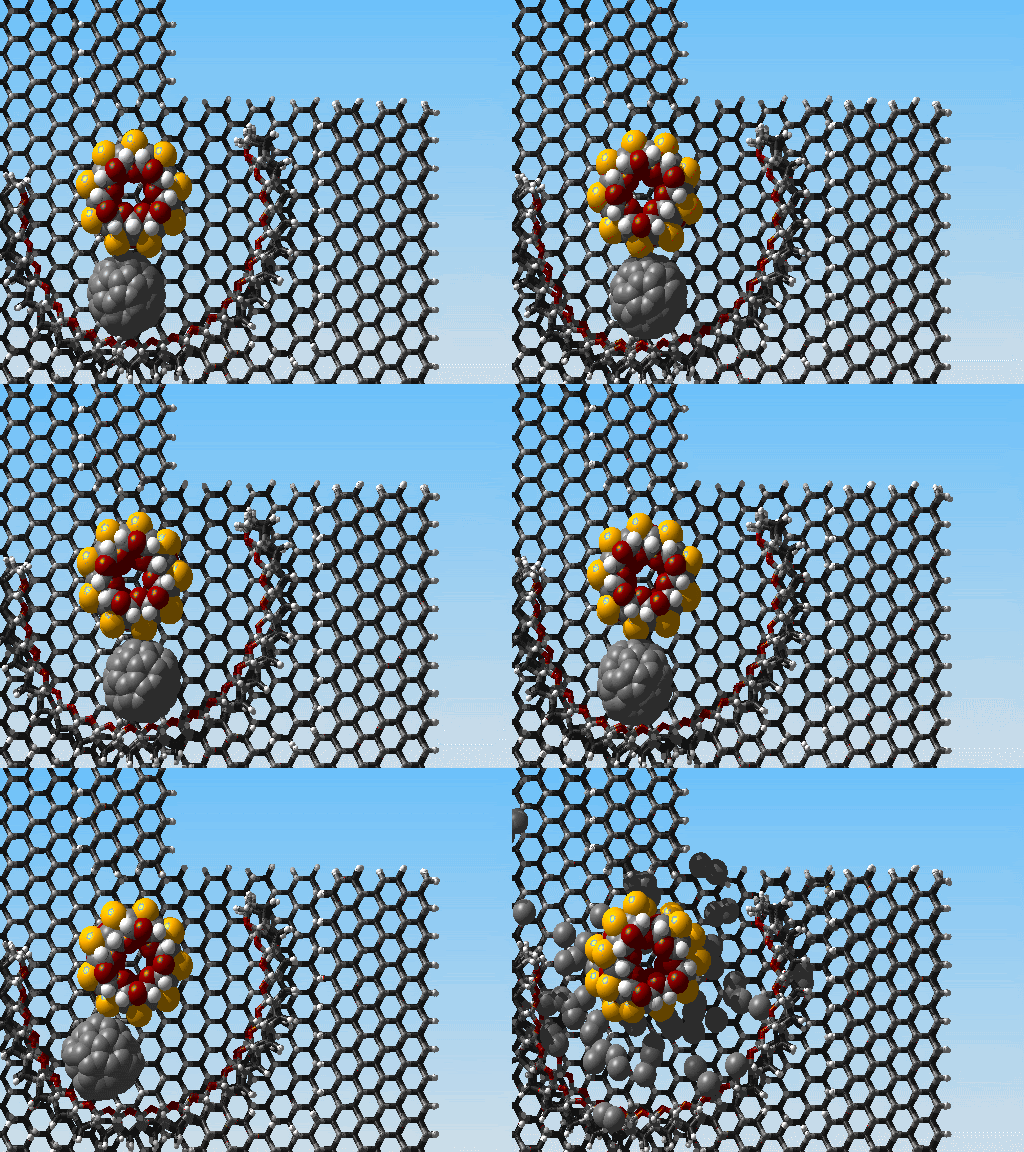
The simulation finished a little later than I thought it would, so that is why I didn't post it last night. You can see that the C60 molecule is well on its way out the hole when a paddle shears against the channel wall; everything kinda of falls apart after that. Next I will make a slight adjustment to the channel wall, decreasing its curvature, and see how it goes.

Perhaps this shearing could have been avoided with a little more due diligence before starting the simulation; the old carpenter's saying of "measure twice, cut once" especially comes to mind. This conjures up images of spinning the paddle in the design console, measuring the distance of closest approach, maybe looking up that value in a table of tolerances I have been keeping during my work, adjusting accordingly, etc. This may, or may not, be a more effective process than the one I currently use which involves rubbing a rabbit's foot across the computer monitor where I think luck is needed*.


*just kidding, the truth is somewhere in between.

Friday, June 29, 2007

simulating a C60 molecule melting


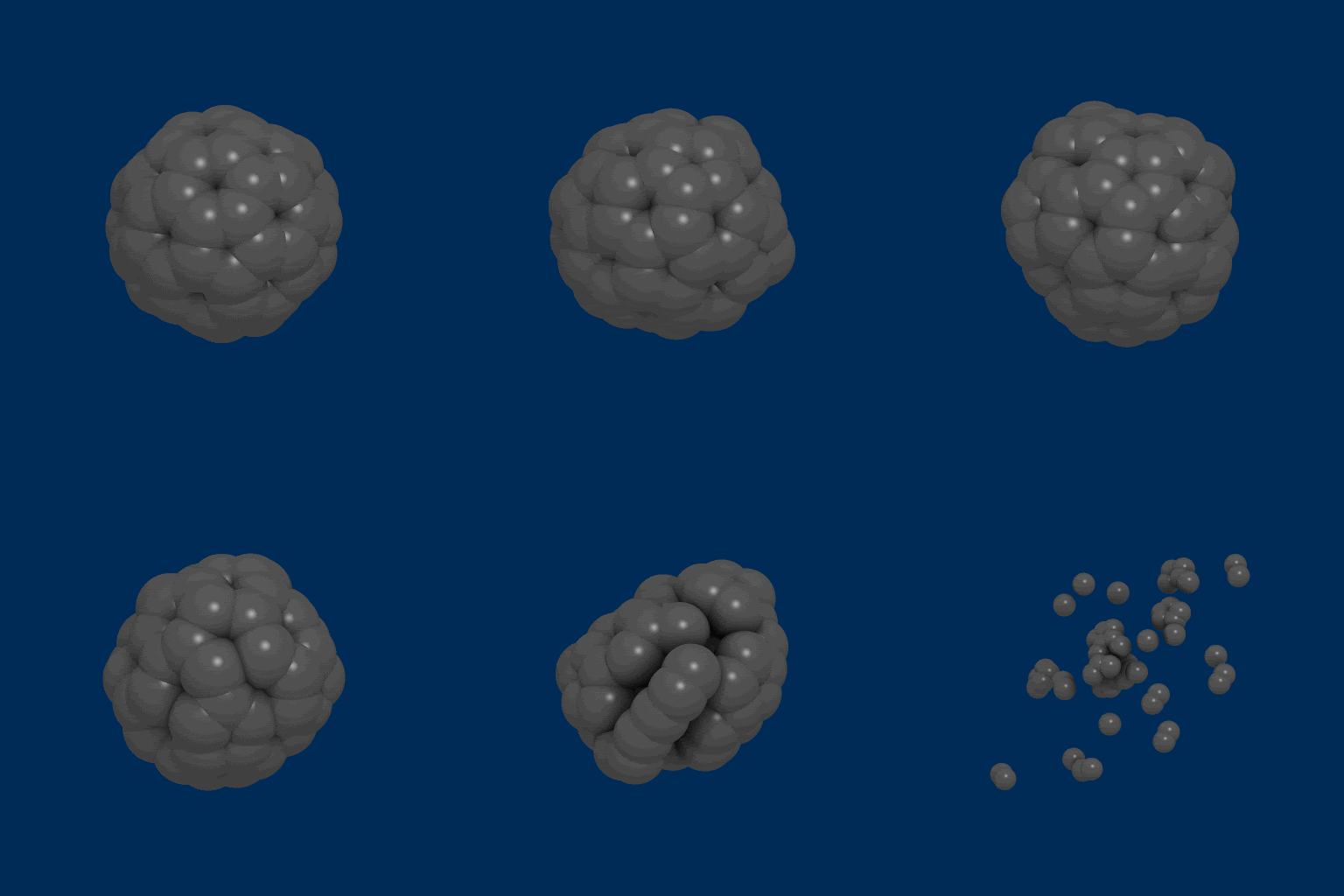
Here is another post inspired by David Tomanek's nanotube page. For this I turned up the heat to 8,500 Kelvin, and the ball comes apart nicely.

The latest simulation of the pump should be finished later on this evening. If it works, or if there is a substantial improvement in its working, I will probably be excited enough to post the simulation tonight. If it bombs, then tomorrow.

MTF.

Wednesday, June 27, 2007

Simulating David Tomanek's carbon nanotube based memory element.


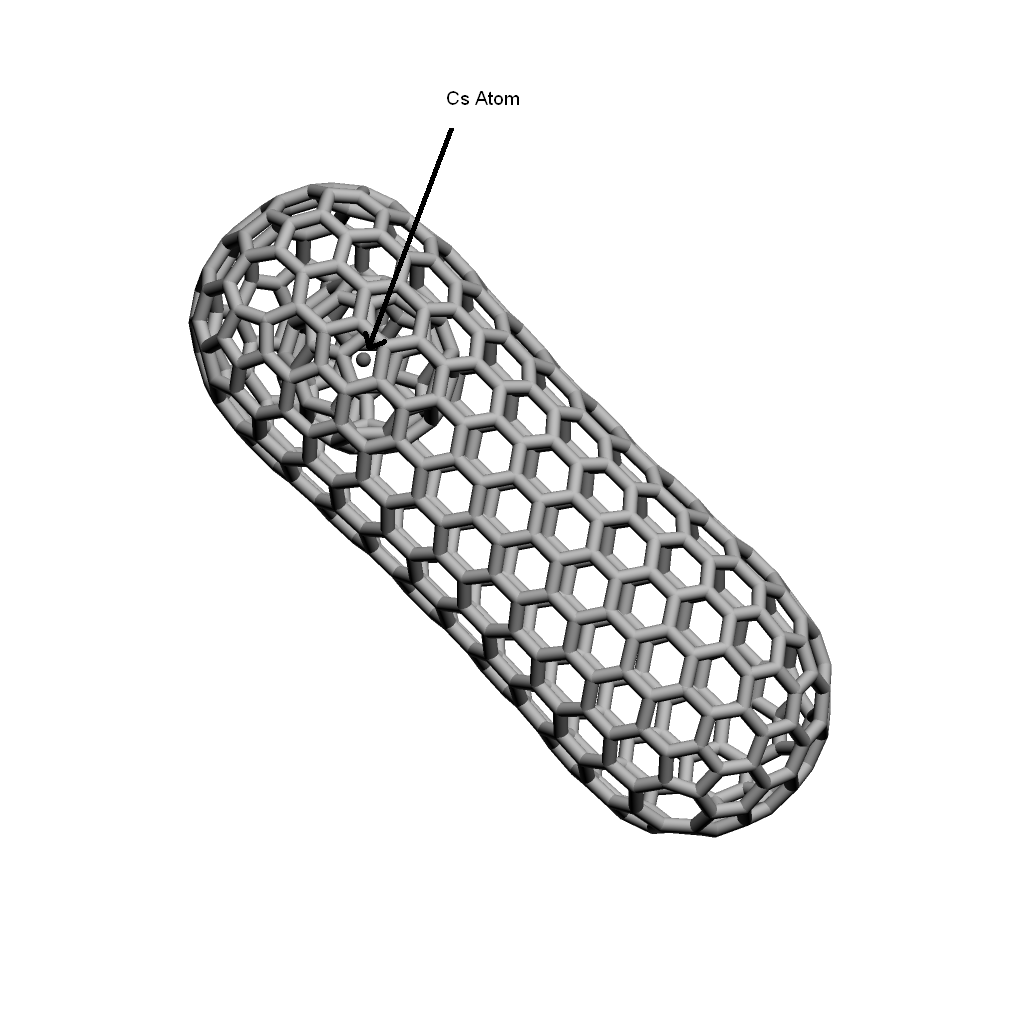
Here is something that might actually be useful and built in the relatively near future. It is a non-volatile memory element that uses the position of a C60 molecule trapped in a carbon nanotube to represent a binary state. You can read a more complete description and see the original simulations done for it here. The buckyball is given a net charge by trapping a cesium atom inside it and then positioned by applying external electric fields.

At first I was a little worried about how I would cap the tubes, but they turned out pretty good.
I was even able to insert an atom inside the buckyball. The atom is not cesium, but plays the role well.

Tuesday, June 26, 2007

cnt based C60 pump update


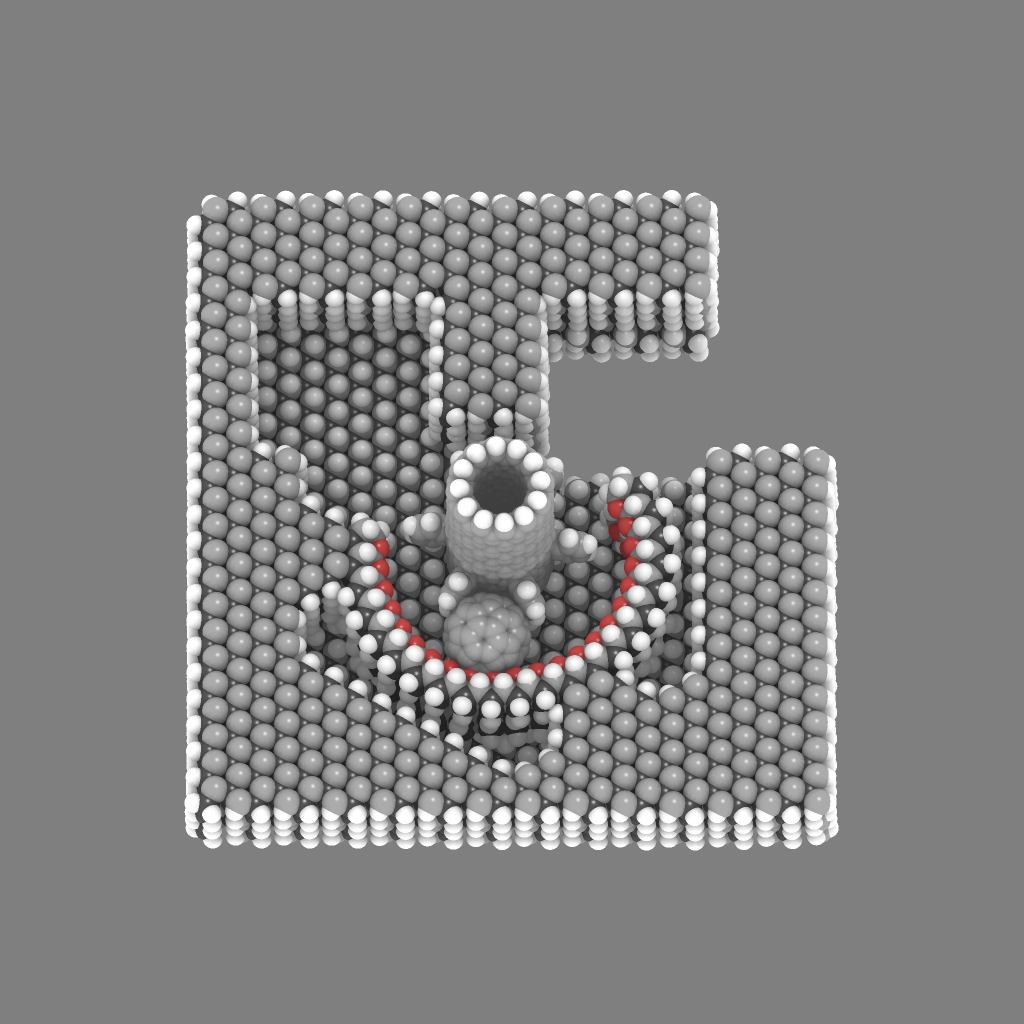
I've started the simulation for the cnt based design. Here is a view looking into the outlet of the pump. The astute observer will notice that the outlet will need to be enlarged in order for a C60 molecule to fit through, but that would be the type of problem I would kill for; the hard part is getting the ball to the hole, getting it out? No problem.

Sunday, June 24, 2007

new pump design with cnt shaft


I will try this design next. I will start out will very little torque and speed on the shaft, 10 nN-nM and 10 GHz instead of 60 nN-nN and 60 GHz, and adjust accordingly. This part is still not quite finished yet, I still need to insert the cnt shaft through the casing, but this picture gives you the idea of where I am going. I know it looks like a tight fit for the C60, but there is a slight clearance between it and the benzene paddles. However there is sufficient space to increase the shaft diameter if I need to.

MTF

second C60 pump attempt, it still scatters


I secured the channel side in hope that it was the fluttering that might be transferring some kinetic energy to the bucky ball, but it still breaks up.

Now I am thinking I might ditch the rotor in favor of a paddle wheel design. For this I will cut a hole through the casing and insert a cnt shaft with benzene paddles to push the C60 through.